
Card counting sounds like a tidy edge until you meet a continuous shuffle machine. At blackjack card counting continuous shuffle, the deck never really clears, and the maths you spent arvo sessions practising gets muddied fast. I’ve spent more than twelve years in equity capital markets, and the same discipline that helps a trading desk separate signal from noise applies here: know the mechanism before you bet on it. If you’re weighing whether this setup is worth your time, start by understanding what the machine actually does to the count.
What the Continuous Shuffle Machine Changes
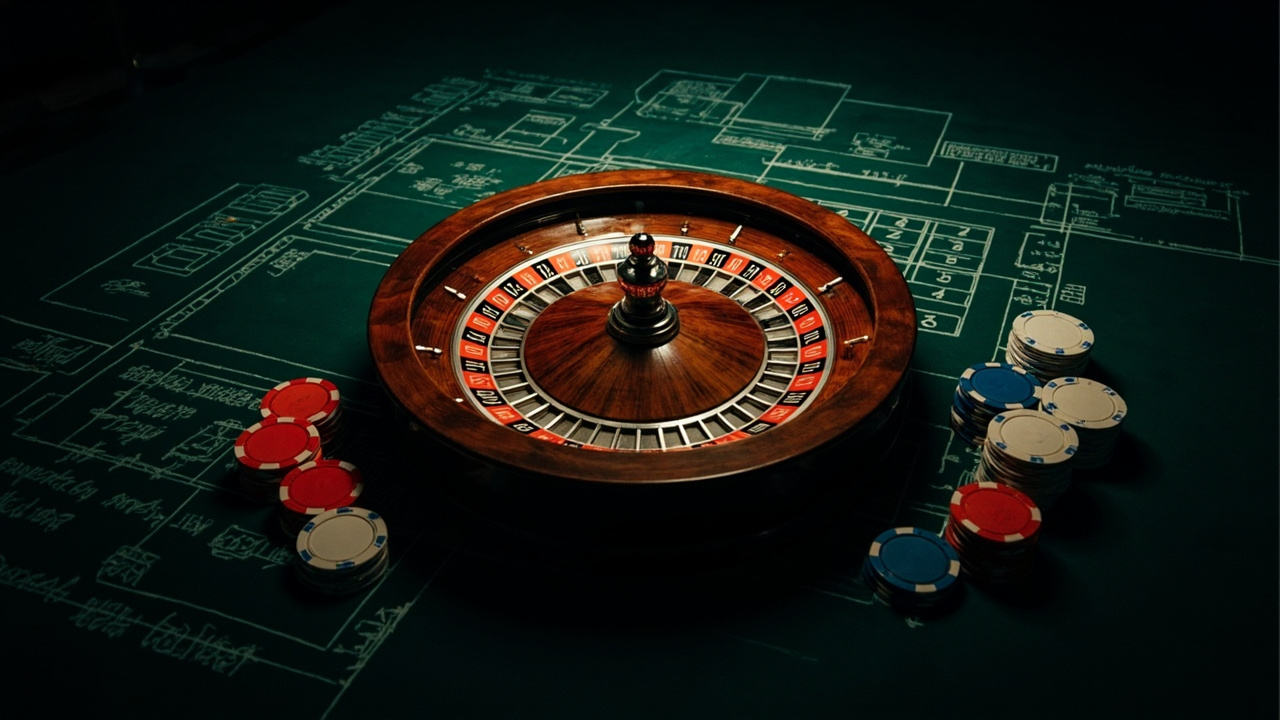
A continuous shuffle machine (CSM) takes discarded cards and feeds them back into play almost immediately, which is the whole reason card counting loses its bite. In a hand-dealt shoe, you track the ratio of high to low cards and adjust your bets when the deck tilts. With a CSM, the discard tray is essentially a revolving door, so the composition of the next hand stays closer to random than a counter would like. That doesn’t make blackjack worse to play, but it does change the skill ceiling.
The practical difference shows up in bet sizing and patience. Counters rely on variance compression – smaller bets when the shoe is neutral or poor, larger bets when the count justifies it. A CSM flattens that window, so the aggressive bet-spread playbooks that work in a ten-deck shoe rarely earn their keep here. I’ve seen professional-services teams chase automation that looked clever on a slide deck but collapsed once the input data kept resetting itself; a CSM is the casino equivalent of that. You can still make solid basic-strategy decisions, but the counting overlay becomes more of a background habit than a profit lever.
| Detail | What it means for play |
|---|---|
| Deck handling | Discards are returned to the shoe continuously |
| Counting usefulness | Narrowed; bet spreads lose most of their edge |
| Best fit | Basic-strategy players who value pace over advantage work |
| House edge | Determined mostly by rules and table limits, not by count |
If you want a quick look at how Australian-facing platforms present their table games and bonus mechanics, you can check spinago pokies for a sense of the usual registration flow and payment options. That’s a separate corner of the market, but it helps to know how a site structures its welcome terms before you commit time to any live table product.
How the Focus Breaks Down for Real Players
The counting maths under a continuous shuffle
Finn Murray, Digital Acquisition Director at Banksia Betting Partners, puts it plainly: “A continuous shuffle machine removes the memory effect that card counters rely on, so the edge you’re trying to build has to come from rules, not from tracking.” That’s the core caveat. In a standard shoe, a skilled counter watches for a surplus of tens and aces, then raises exposure when the remaining deck is richer. Under a CSM, the discard stream keeps re-entering the shoe, so the deck composition drifts back toward its long-run average much faster than a counter can exploit it.
That doesn’t mean every decision disappears. Basic strategy still matters, and so do the table rules that shape the house edge – blackjack payouts, dealer standing on soft 17, doubling restrictions, and surrender availability. Eliza Roberts, Lead Gaming Analyst at Great Southern Betting Review, notes that “the real question under a continuous shuffle isn’t whether counting is possible, but whether the rule set gives a disciplined player enough room to play efficiently.” Her point is that the machine changes the game’s shape more than it changes the cards themselves. If you’re comparing tables, the rule page matters more than the shuffle method alone.
Where the approach still makes sense
Mia Nelson, Marketing Director at Oceanic Gaming Strategy, sees the appeal from a different angle: “Players who enjoy the rhythm of the game without chasing an edge usually find a continuous shuffle setup less stressful, because the pace stays steady and the count isn’t calling the shots.” That’s a fair read for anyone who wants a structured table game rather than an advantage-seeking project. The steady cadence can suit a casual session after work, especially if you’re playing for the decisions themselves rather than for a theoretical edge.
There’s also a practical fit for players who value consistency over complexity. A CSM keeps the shoe moving, which can mean fewer interruptions and a more predictable flow once you’re comfortable with basic strategy. The trade-off is that you’re not getting the same opportunity to vary your bet size intelligently based on a running count. If your goal is to play a tidy game with clear decisions and no drama, that trade-off can be acceptable. If your goal is to build a counting-based approach, the machine is working against you from the start.
Matching the Setup to What You Actually Want
The right read on blackjack card counting continuous shuffle depends on what you’re trying to get out of the session. If you’re drawn to the idea of tracking cards and adjusting your bets as the deck shifts, a CSM table is probably the wrong place to start. The mechanism itself narrows the window where a count would normally help, so you’d be practising a skill in an environment that keeps resetting the very thing you’re tracking. That’s not a moral judgement on counting; it’s a mechanical fit issue.
For players who prefer a cleaner, more rule-driven game, the same setup can be perfectly serviceable. Basic strategy gives you a defined decision tree, and a continuous shuffle keeps the pace steady without the stop-and-start feel of a hand-dealt shoe. Newcastle players who pop into a local venue for a quiet arvo session often care more about readable rules and a predictable rhythm than about chasing a theoretical edge, and that’s a sensible way to approach these tables. You still need to respect the house edge, keep your bet sizing disciplined, and treat any session as paid entertainment rather than a revenue line.
Final take
Blackjack card counting continuous shuffle is best read as a pace-and-rule game rather than an advantage-play opportunity. If you want a table where basic strategy does the heavy lifting and the shuffle stays constant, it can fit a disciplined session without fuss. If you’re serious about counting, look for a hand-dealt shoe with rules that support it, because a continuous shuffle machine is built to keep the count from carrying much weight. Play for the decisions, keep your expectations grounded, and don’t confuse a steady shuffle with a hidden edge.