
Five scatter symbols landing on a single spin is the sort of moment a pokie punter remembers forever, but the math behind that flash of bells is rarely explained plainly. Aussies have always had a soft spot for the scatter feature, and that’s worth weighing up against formats like https://plinko-online-au.com/ when you compare different casino mechanics. The thing is, “what are the odds of 5 scatters on pokies” isn’t a single number – it depends on reel layout, symbol weighting, and the studio’s volatility setting.
Why Scatters Break From the Payline Mould
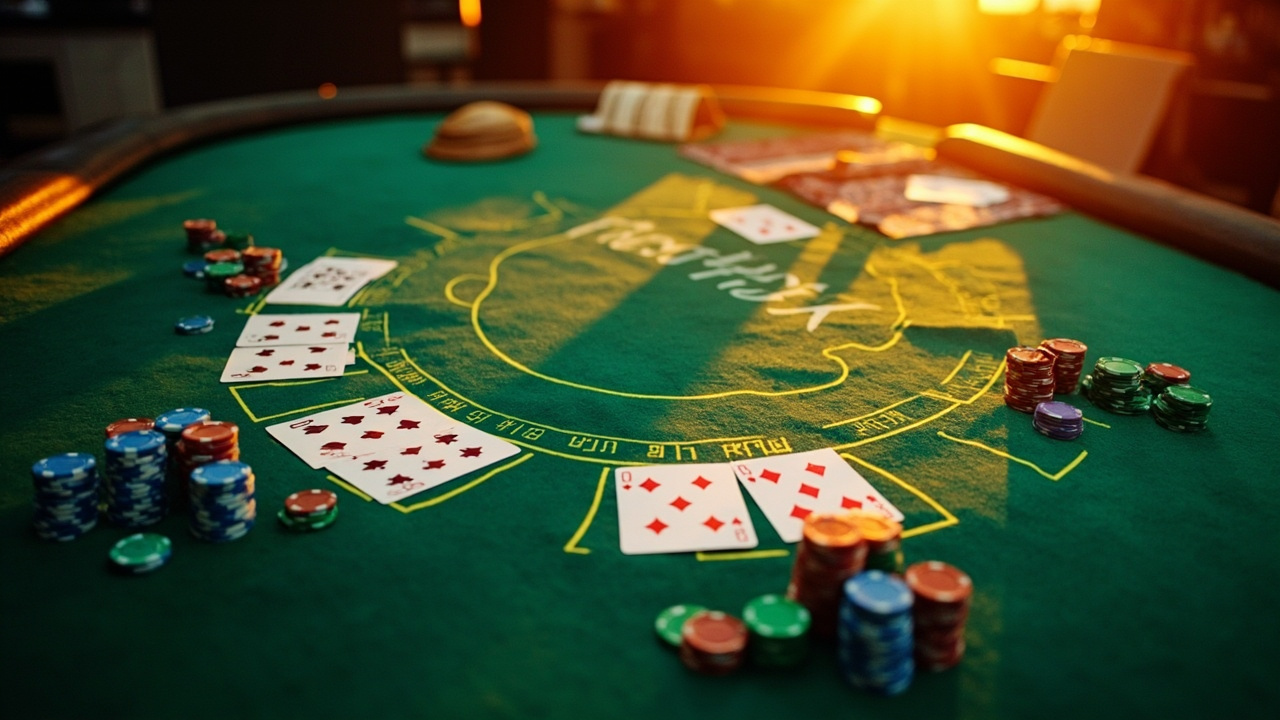
Most pokies built on the old Aristocrat-style template – the kind you’ll still find lighting up at The Star Gold Coast (formerly Jupiters) on the Gold Coast – rely on aligned symbols across paylines. Scatters were the rebel mechanic: land three or more anywhere on the reels, get paid, trigger the feature. They were weighted lighter than the high-paying themed icons, which is why a five-of-a-kind pays so handsomely. The trade-off is frequency, and that’s where the maths gets spicy.
Aussie pokies tend to lean on a more visible help-screen layout than stripped-back international releases, keeping the volatility band front of mind. A modern pokie reel might carry 30 to 50 stops per reel, with five reels in play. The number of possible combinations runs into the billions once you account for each stop independently. Scatters usually appear on two or three reels out of five, weighted down so they show up once every dozen spins or so on a single reel. Multiply that across all reels, and the chance of a clean five-scatter alignment sits well under one in a million on most titles.
That’s the headline. The real question is how the studio chooses to space those weights, and whether the bonus round payout compensates.
What Are the Odds of 5 Scatters on Pokies, Really?
Reel Weighting and the Hidden Stops
Every pokie reel is a strip of virtual stops. Some stops get visited more often than others, even though they look identical on screen. A scatter symbol might occupy three stops on a 50-stop reel, giving it a roughly one-in-17 appearance rate per reel. Spread that across five reels with only two or three carrying scatters, and you’re working with combinatorial probability, not intuition. Studios publish the theoretical return-to-player percentage, but the per-symbol hit rate is rarely broken down for players, even when the help screen looks generous. That’s why so many punters reckon they’ve been short-changed after a dry session – the misses stack up faster than the maths in your head.
Volatility Versus Hit Frequency
Volatility is the swing factor that defines the scatter experience. A high-volatility pokie with a five-scatter payout of 500x the line bet might only trigger that combination once every few hundred thousand spins in theory, while a low-volatility title running the same underlying math could deliver a smaller five-scatter prize every 30,000 spins. Investors watching the Australian share indices recognise the same volatility framework drives long-tailed outcomes. Defo the more relevant number for most Aussie players is the variance rating, because a five-scatter jackpot that arrives once every quarter doesn’t cover the cost of a decent arvo in Cairns, and that gap between theory and session reality is the whole game.
What the Paytable Doesn’t Print
Australian-licensed venues and online operators working within the framework of the Interactive Gambling Act 2001 list the RTP, usually 90-something percent, and call it a day. They don’t have to disclose the individual scatter weightings, the number of stops per reel, or the bonus-feature odds in the public help file. That’s why comparing two pokies side by side is harder than reading the help screen suggests, especially when one game markets itself on five-scatter frequency and another quietly buries the prize tier. Consider the difference between a heritage-style title you’d find at Crown Sydney’s tower reshaping the Barangaroo skyline on Sydney Harbour versus a stripped-back online release – the maths underneath can be wildly different even when the symbol set looks familiar at a glance.
Who Actually Benefits From Scatter-First Design
Scatter-heavy pokies aren’t for everyone. If you’re the type who likes a long, low-stress session with steady small wins, a low-volatility title with frequent three-scatter triggers will suit you better than chasing a five-scatter screen. If you’re a punter who measures a session by the size of the bonus round, the headline five-scatter prize matters more than the odds against it – you’re already paying for the dream, not the math.
What this means for Australians is straightforward: pick a volatility band that suits your session budget rather than chasing a five-scatter headline number. The locally licensed venues, from Cairns RSLs to bigger Gold Coast rooms, tend to publish RTPs in the same 90-95% band, so the real lever is how long you intend to play. https://plinko-online-au.com/
High-volatility setups reward patience and a bankroll that can absorb dry spells measured in thousands of spins. The casual spinner, the one who fancies a flutter during a slow arvo, gets more entertainment out of frequent low-value hits than a single jackpot they will never see. Reckon on knowing which side of that line you’re standing on before you load the game.
Five-scatter hits are built to feel rare, and they are. The smart way to play them is to pick a volatility band that matches your session length, then treat the bonus round as the prize rather than the exception. With the maths doing the heavy lifting behind the screen, the only variable left is how long you want to stay spinning – no worries about chasing the dream if your budget is already set. Marketindex